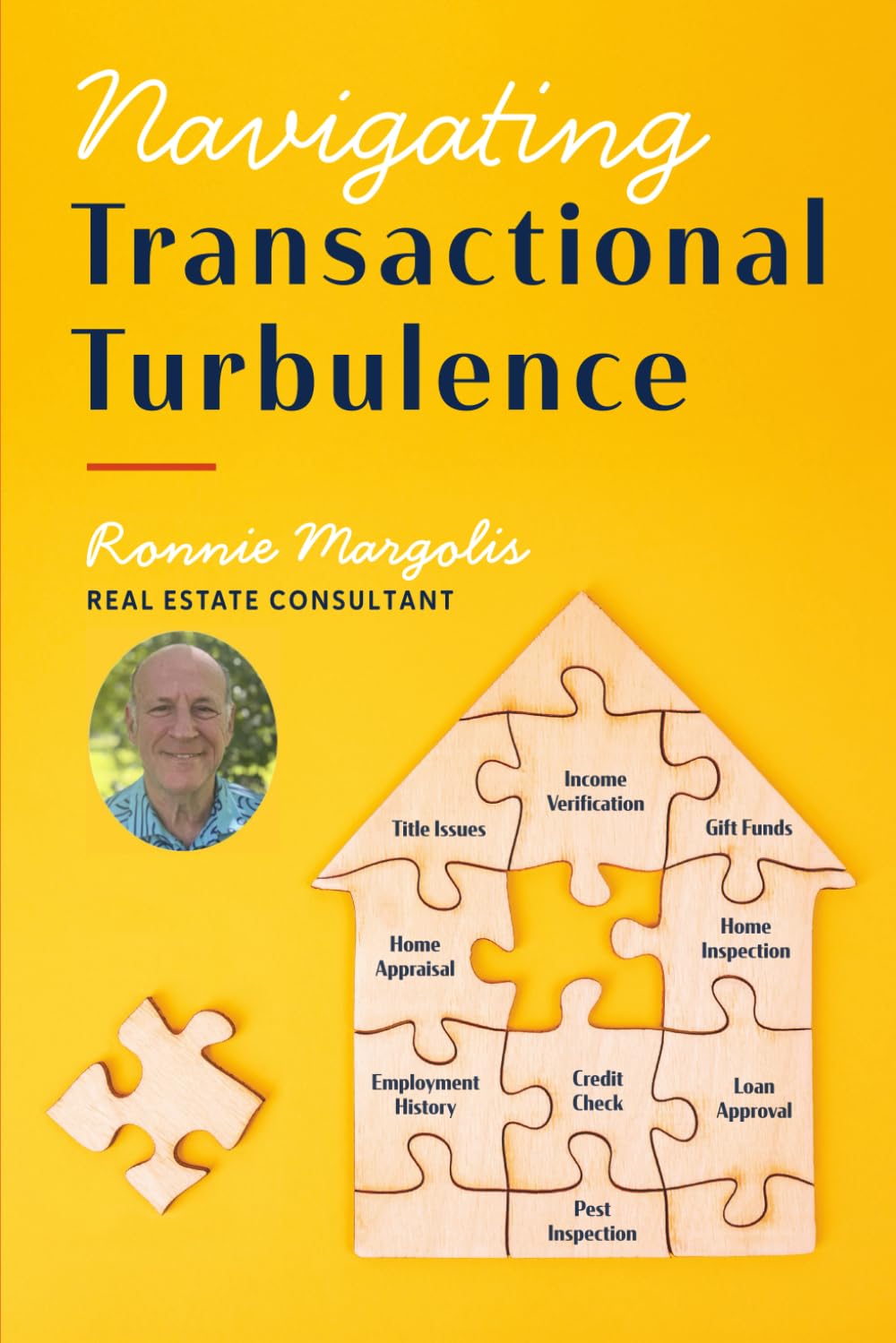
A New Book by Ronnie Margolis

Navigating Transactional Turbulence

116 specific things that can shake a real estate transaction. Every one of them anticipated, mapped, and answered. So you see what is coming before it shows up.

Ronnie Margolis
Real Estate Consultant · Kauai, Hawaii
116
Turbulences Mapped
2
States Licensed
235
Pages
Navigating Transactional Turbulence by Ronnie Margolis
Hawaii License RB-20918 Washington License 17184 The Agency Margolis Team Kauai
Ronnie Margolis, Real Estate Consultant, Kauai
About the Author

The advisor people call when the deal gets hard.

Ronnie Margolis has guided clients through the parts of real estate that show up between the listing and the keys. The parts most agents do not see coming.

Based on Kauai with The Agency Margolis Team and licensed in Hawaii and Washington State, Ronnie works at the intersection of luxury, residential, and complex transactional real estate. His practice is built on the belief that the right professional brings calm to a process most people only navigate a handful of times in their life.

Navigating Transactional Turbulence is the field reference he wishes every client had on day one. It catalogues the specific moments where deals shake, slow, or stall, and it shows what to do about each one.

Hawaii License
RB-20918
Washington License
17184
Affiliation
The Agency
Margolis Team Kauai
Specialty
Luxury & Residential
Kauai, Hawaii
About the Book

Every deal has its weather. This book is the forecast.

Behind every real estate transaction sits a set of moving parts most buyers and sellers never see. Until one of them shifts.

Loan applications, appraisals, inspections, title work, escrow, signatures, lender deadlines, life events. Any one of them can shake a deal. Most of them are invisible until they are not. And when they hit, they can delay, derail, or completely dissolve a transaction.

Navigating Transactional Turbulence catalogues 116 of them. Each one is documented in plain language with the parties affected, the specific risk, and the lesson to carry forward. It is a field reference for every party at the table, written for use, not for show.

01
Anticipate
See common failure points long before they reach the closing table.
02
Diagnose
Read the early signals when a transaction starts to drift.
03
Navigate
Apply specific lessons to keep the deal moving without losing the plot.
04
Close
Reach the keys with trust and timeline intact, on every kind of property.
Navigating Transactional Turbulence book cover
The 116 Turbulences

Filter by category. Tap any card to expand the field notes.

Every turbulence is mapped to the party most likely to be involved when it surfaces. Use the filter to see only the situations relevant to a buyer, seller, lender, or specific stage of the transaction. Or browse all 116 in numerical order.

Filter Turbulences By Category
Showing all 116 turbulences in numerical order.

Misrepresenting income, hiding debt, or fabricating financial support on a loan application puts the entire transaction at risk. Underwriters verify every detail, and discrepancies can lead to outright denial. Even after closing, the lender can call the loan due, leaving the borrower facing foreclosure or legal trouble. The lesson: telling the truth keeps the process smooth and protects your financial future.

Recent late payments on a credit report, even a single one, can ripple through the homebuying process by lowering credit scores, raising interest rates, and shaking lender confidence. They often happen due to forgetfulness or temporary hiccups, but lenders read them as risk. The lesson: pay every bill on time during the home search and through closing, and be ready to explain any blemish in writing.

High debt-to-income ratios are one of the most common reasons mortgages fall apart. Credit cards, student loans, car payments, and personal loans all factor into qualification. Even if the borrower can technically afford the home, an unfavorable DTI can lead to denial. The lesson: pay down debts before applying, avoid new debt during escrow, and let your lender know about every obligation up front.

Losing a job mid-transaction is a homebuyer’s worst nightmare. Lenders re-verify employment right before closing, and unemployment usually ends the loan. The buyer may lose their earnest money and the home they were about to call theirs. The lesson: avoid voluntary job changes, communicate immediately with your lender if circumstances change, and have reserves in place for the unexpected.

When two incomes are needed to qualify, a co-borrower losing their job can collapse the deal just as fast as the primary borrower losing theirs. Some loans may be salvaged with the remaining income, but most need to be restructured or canceled. The lesson: both incomes are part of the contract, and both lives need to stay stable until the keys change hands.

Stating your income on a loan application is one thing; proving it is another. Pay stubs, tax returns, W-2s, and bank deposits all need to line up. When they do not, underwriters get nervous and ask for more, which delays closing. The lesson: gather two years of complete documentation before you apply, and disclose every income source so nothing surprises the underwriter.

Buyers often count on overtime pay to qualify, only to discover lenders may exclude it without a two-year history. Suddenly the loan amount shrinks and the dream home is out of reach. The lesson: have your lender review every income type before you write an offer, so the qualification math reflects what actually counts.

Buying a car, new furniture, or running up a credit card during escrow can crash the deal. Lenders re-pull credit just before closing, and any new debt changes the DTI calculation. The lesson: between application and closing, do not finance, charge, or co-sign for anything. Wait until after the keys are in your hand.

Real life does not pause for a real estate transaction. A sudden illness, injury, divorce, or financial setback during escrow can derail an approved loan. Some situations can be navigated with documentation and time; others end the deal. The lesson: communicate early, keep records, and lean on professionals who can adapt the plan when circumstances change.

Some buyers stall after going under contract, dragging their feet on inspections, lender requests, or document signing. The deal limps toward expiration as deadlines slip. The lesson: a motivated buyer is a successful buyer. Set expectations early, keep a calendar of milestones, and rely on your agent to keep momentum.

Many buyers count on a family gift to cover the down payment. When the donor backs out late in escrow, the financing collapses with it. The lesson: get the gift in writing, in the bank, and seasoned in the buyer’s account well before underwriting. A verbal promise is not a down payment.

A divorce decree is a critical document for buyers or sellers with a previous marriage. Lenders need it to verify alimony, child support, asset division, and on-title ownership. Missing pages or unsigned addendums can stop the loan cold. The lesson: pull the full, certified decree from the court before you list or apply, not after.

Past bankruptcies are not automatic disqualifiers, but the petition and discharge paperwork must be available, complete, and verifiable. Without them, the loan stops moving. The lesson: if you have a bankruptcy in your history, retrieve every filing before you start house hunting.

Lenders typically need two years of tax returns. When they cannot be located or were never filed, the loan stalls or dies. The lesson: file taxes on time, keep digital and paper copies, and order transcripts from the IRS as soon as you decide to buy. Surprises here cost weeks.

Underwriters need recent, unaltered bank statements to verify funds for down payment, reserves, and large deposits. Missing or partial statements raise red flags. The lesson: download every page of the last two months of every account, in PDF, before you apply. Screenshots and edited summaries do not count.

First-time buyers sometimes need to prove rental history. Cash rent, informal arrangements, or unresponsive landlords make verification hard. The lesson: pay rent by check or transfer, save twelve months of records, and have a backup plan if your landlord cannot or will not complete a verification form.

Rates can climb between pre-approval and contract, shrinking the buyer’s purchasing power and sometimes pushing them below qualification. The lesson: lock when the file is far enough along to close, understand rate-lock fees, and have a buffer in your budget for rate movement.

Mid-transaction, a lender may discover the chosen program no longer fits and switch the buyer to a different one with worse terms. The lesson: insist on a clear loan estimate, ask about program eligibility up front, and get any change in writing with comparable cost disclosures before re-signing.

Court-ordered support obligations show up on credit pulls and public records. Hiding them is not an option, and disclosing them late forces a re-underwrite. The lesson: list every legal obligation on the application from day one. Lenders can work with the truth; they cannot work with surprises.

Most loan programs have minimum waiting periods after a bankruptcy. Filing too recently can disqualify a buyer entirely or limit them to higher-cost programs. The lesson: confirm seasoning timelines with a lender before house hunting, and use the wait to rebuild credit deliberately.

Buyers often shop based on listing price and forget how much taxes, insurance, HOA dues, and PMI add to the monthly payment. The first real payment can be twice what they expected. The lesson: review a full payment estimate, including escrow impounds, before falling in love with a home.

Most loans want a two-year employment history in the same field. Recent graduates, career changers, and those returning to work face extra scrutiny. The lesson: document the gap, gather degrees and offer letters, and ask the lender what compensating factors apply before you apply.

Handwritten or self-typed pay stubs invite suspicion. Lenders prefer payroll-system documents with employer details, year-to-date totals, and tax withholdings. The lesson: get formal pay stubs from your employer’s payroll provider, not a one-off note. If your employer cannot produce one, expect more documentation requests.

Switching to a new job with a probationary clause during escrow tells the lender the income is not yet reliable. Most loans require the probation to end first. The lesson: if you are buying, hold the job change until after closing, or check with your lender before accepting an offer mid-escrow.

Moving from salaried to fully commissioned pay during escrow erases the income history lenders rely on. The loan typically dies. The lesson: stabilize your pay structure before applying. If a switch is unavoidable, talk to your lender immediately so options can be reviewed.

The death of a buyer or seller during escrow stops the deal until the estate is sorted. Probate, executor authority, and title corrections can take months. The lesson: name beneficiaries, keep estate documents current, and have professionals ready to step in if the unthinkable happens.

Buyers often want more home than the budget supports. The gap shows up in disappointment, multiple lost offers, and stalled searches. The lesson: align expectations with a realistic pre-approval, tour properties at and below your max, and let the agent guide trade-offs between size, location, and condition.

After moving in, buyers sometimes feel the home is not what they were sold. Disclosures, inspections, and walk-throughs all matter. The lesson: read every disclosure, do a thorough inspection, walk the property the day before closing, and trust your agent to flag concerns before signing.

Veterans need their DD214 to access VA loan benefits. A missing copy delays the certificate of eligibility and the entire loan. The lesson: order your DD214 as soon as you consider buying. The National Archives processes requests, but timelines can stretch to weeks.

On closing day, the final cash-to-close figure can be higher than expected due to prorations, escrow shortages, or last-minute adjustments. The lesson: review the closing disclosure three days before signing, verify wire instructions in person, and keep a buffer in reserves for the day-of changes.

Any large deposit not from payroll needs documentation. Cash gifts, sold property, or moved investments all require a paper trail. The lesson: never deposit unexplained money during escrow. If funds move, document the source the same day with statements, gift letters, or sale contracts.

Wire deadlines, bank cutoffs, and last-minute requests can leave a buyer scrambling on closing day. A forgotten or wrong-format payment delays signing and possession. The lesson: confirm the exact payment method and amount the day before closing, and arrive at signing with everything in hand.

Some sellers have second thoughts midway through escrow. Reasons range from emotional attachment to better offers to changing plans. The lesson: agents should screen for true motivation before accepting an offer, set clear expectations, and document every milestone so cold feet meet a paper trail.

Sellers who plan to buy after closing sometimes cannot find a replacement home, leading them to delay or cancel. The lesson: line up the next move before listing, negotiate a rent-back if needed, and keep a backup plan ready before signing the listing agreement.

Without interior access, the appraiser cannot complete the report, and the loan stalls. Reasons range from cleaning shame to outright refusal. The lesson: explain the process to sellers up front, schedule the appraisal early, and have backup access plans through the listing agent.

Inspection delays push every other deadline and erode buyer confidence. The lesson: build inspection access into the contract with specific dates, treat the timeline as a hard deadline, and escalate quickly when access is denied or rescheduled repeatedly.

Disputes over fixtures, appliances, and personal property often surface at the final walk-through. The lesson: list every included item in the contract by name and serial number when possible. If it is not in writing, it is not included.

Tax liens, judgments, mechanic’s liens, and unpaid HOA dues all need to be cleared at closing. If the seller does not have the cash, the deal stalls. The lesson: order a preliminary title report early, address every cloud on title, and confirm the seller has funds to close before signing.

Co-ownership, undisclosed heirs, prior divorces, and trust transfers can leave a seller without full authority to convey title. The lesson: verify ownership before listing, gather every signature or court order needed, and never assume a deed tells the whole story.

Multiple owners across geographies, busy schedules, or disagreements among partners can delay signatures. The lesson: identify every signer at the start, line up power of attorney or remote notary options, and build extra time into the contract for signature logistics.

Sellers who travel without leaving signing authority can stall closing for days or weeks. The lesson: execute a recordable power of attorney before any planned travel during escrow, and confirm the agent is empowered to sign closing documents.

When sellers do not vacate as agreed, buyers can be locked out of their new home. The lesson: write occupancy terms into the contract with daily holdover penalties, schedule the final walk-through close to closing, and prepare the buyer with backup housing if needed.

Negotiated repairs sometimes go undone or are completed without permits or proper trades. The lesson: require licensed-contractor receipts, photo documentation, and final walk-through verification before releasing funds. Hold credits in escrow when repairs cannot be confirmed.

A seller in financial distress may be served notice of default mid-escrow, complicating title and timing. The lesson: review the seller’s payoff and lender status when the offer is accepted, and coordinate with the lender on short-sale or reinstatement options if needed.

Sellers who downplay defects, hide histories, or misstate neighborhood realities expose themselves to litigation. The lesson: complete every disclosure form thoroughly, attach inspection reports, and disclose anything you would want to know if you were the buyer.

Defects revealed after closing often lead to legal action. The lesson: sellers should over-disclose; buyers should inspect aggressively. A pre-listing inspection paid by the seller can surface issues before they become lawsuits.

Agents unfamiliar with condos, multi-family, rural, or specialty properties miss critical details. The lesson: hire an agent with documented experience in your property type, and ask for references on similar past transactions.

Tenant-occupied homes, vacation rentals, and unresponsive listing agents create access bottlenecks. The lesson: confirm access in writing during the offer phase, schedule inspections immediately upon acceptance, and document every access attempt.

Missing documents, slow signatures, and overlooked requests slow lenders to a crawl. The lesson: respond to every document request the same day, use secure portals when offered, and assign one person to manage the lender’s paperwork queue.

An agent who cannot keep clients on schedule, on message, or on contract risks the entire deal. The lesson: hire a professional with a documented process, weekly client check-ins, and a track record of closing on time.

Agents who disappear during escrow leave clients exposed at the worst moments. The lesson: ask before listing what coverage exists when your agent is away, and confirm a named partner who can act on your behalf in emergencies.

An agent who shades the truth or lets pride override service damages trust on every side. The lesson: choose an agent whose communication is direct and whose past clients describe them as honest under pressure.

Pricing, comparables, disclosures, and market context all require diligent preparation. The lesson: review the agent’s listing presentation in detail, ask how they price homes, and require written market analysis before signing the listing or buyer agreement.

Loose pre-approvals collapse in underwriting, often after offers have been accepted and earnest money is on the line. The lesson: insist on a fully underwritten pre-approval, not a soft pre-qualification, before writing offers.

Appraiser-flagged conditions, FHA or VA requirements, or insurer concerns can force repairs the seller did not anticipate. The lesson: review loan-program repair requirements early, share them with the seller, and budget time and funds for resolution.

Rates, points, and fees can shift between application and closing. The lesson: track lock expirations, build extension fees into your reserves, and stay in close contact with your loan officer about market movement.

Information that surfaces late, like a co-signed loan or a side business, changes the underwriting picture. The lesson: list every financial relationship on the application, even casual ones. Side ventures, guarantees, and joint accounts all count.

Quality-control reviews can trigger second appraisals or extra documentation right before closing. The lesson: keep digital copies of everything submitted, respond instantly to requests, and budget for the additional appraisal fee.

Lost documents force re-collection, re-signature, and delay. The lesson: keep your own copy of every signed and submitted document, and use lenders with secure portals that timestamp uploads.

Iterative document requests stretch closings out and frustrate everyone. The lesson: choose lenders with clear up-front checklists, and ask for the complete list of needed documents before you sign anything.

Funding delays can cause possession, moving, and contractual problems. The lesson: confirm the funding schedule three days before closing, watch the wire path, and build in a buffer day before the move-in date.

Rural and semi-rural homes depend on septic and well approvals. Failed inspections can require costly upgrades. The lesson: order specialty inspections early, understand local requirements, and negotiate repair credits or seller-paid replacements where possible.

Active infestations or dry-rot damage can require thousands in repairs. The lesson: order termite inspections immediately, negotiate clear repair responsibilities in the contract, and reserve funds for unexpected findings.

Listed square footage can disagree with appraisals and tax records. The lesson: verify size with the appraiser’s measurement, public records, and physical inspection before counting on it for value or use.

Fire, flood, or other catastrophic damage during escrow can end the transaction or force renegotiation. The lesson: confirm seller’s insurance is in force, understand the contract’s risk-of-loss clauses, and know your options before signing.

Foundation problems, settling, and load-bearing damage can be deal-breakers or major renegotiation points. The lesson: hire a structural engineer when inspectors raise concerns, get written estimates, and negotiate from facts rather than fears.

Wildfire risk, flood plains, prior claims, and roof conditions can all make a home uninsurable. Without insurance, no lender will fund. The lesson: get an insurance quote before removing contingencies, and know your area’s risk profile before falling in love with a home.

Mismatches between current use and zoning can prevent intended improvements or even occupancy. The lesson: verify zoning with the local planning department, confirm permitted uses match your plans, and address variances in writing before closing.

Fences, sheds, and even sections of homes sometimes cross legal boundaries. The lesson: order a survey when boundary lines matter, resolve encroachments before closing through easements or boundary adjustments, and document the resolution in writing.

Distinctive homes are hard to comp. Appraisers may have to reach for distant or older sales. The lesson: prepare a comparable-sales packet for the appraiser, work with experienced lenders for unique properties, and negotiate appraisal contingencies with care.

Silent escrow files surprise everyone at closing. The lesson: insist on weekly escrow updates, ask for an open-items list each week, and request copies of every document the escrow team is waiting on.

Payoffs, HOA documents, and property tax data must be in hand to close. Late requests cause late closings. The lesson: confirm your escrow officer’s checklist matches the lender’s, and follow up weekly on outstanding items.

Travel during escrow without prearranged signing options can stall closing. The lesson: schedule signings before travel, use mobile notaries or remote online notarization, and execute powers of attorney where allowed.

Wrong names, wrong amounts, or wrong vesting cause delays and re-signings. The lesson: review every document line by line before signing, and ask escrow to send a draft package at least 48 hours before closing.

Slow communication from escrow leaves agents and clients in the dark and erodes trust. The lesson: choose escrow officers who reply same-day, set communication expectations at opening, and escalate to managers when responses lag.

Multiple parties, lenders, agents, inspectors, contractors all need to align. Poor coordination causes missed deadlines. The lesson: use a single project owner per file, weekly status meetings, and a shared timeline that all parties can see.

Rigid escrow officers can turn small fixable issues into deal-killers. The lesson: choose escrow companies with seasoned officers and management willing to problem-solve, and bring problems to senior staff promptly.

Late-surfaced liens, judgments, or clouded title can postpone or end closing. The lesson: order title work immediately, review the prelim with your agent and attorney, and address every exception line before contingencies are removed.

Appraiser shortages, especially in rural areas, can push timelines weeks. The lesson: order appraisals immediately, ask the lender about appraiser availability up front, and budget extra closing time in tight markets.

Quiet markets, unique homes, or new construction can leave appraisers without recent sales to compare. The lesson: prepare a comparable-sales packet, document upgrades thoroughly, and consider construction-cost approaches when sales are scarce.

Lender Approved Vendor Lists may exclude qualified local appraisers, leading to mismatched experience. The lesson: ask lenders about their AVL coverage, and choose lenders whose appraiser pool fits your market.

Inaccurate measurements, missed comparables, or rushed reports can produce low values. The lesson: review the appraisal carefully, document errors with evidence, and submit a written reconsideration of value to the lender.

Quality-control or program-required second looks can come at the worst time. The lesson: budget for the additional fee, prepare comparable evidence, and use the time to confirm contract dates can absorb the delay.

Pest inspectors are not unlimited, and busy seasons can stretch availability. The lesson: schedule pest inspections immediately upon acceptance, and have a second inspector identified as a backup.

Some inspectors flag minor cosmetic items as defects, alarming buyers unnecessarily. The lesson: choose inspectors known for proportionate reporting, attend the inspection in person, and discuss findings with the inspector and your agent before reacting.

Inspector backlogs, especially in busy seasons, can compress timelines. The lesson: schedule the inspection on day one of escrow, and keep a list of pre-vetted backup inspectors.

Long lists of small issues can scare buyers without proper context. The lesson: walk through the report with your agent and inspector, separate cosmetic from structural, and negotiate from priorities, not panic.

The wrong agent or lender can cost time, money, and the deal itself. The lesson: interview before choosing, ask for past-client references, and trust your instincts about communication style and competence.

When closings drag past lock expiration, buyers face rate increases or extension fees. The lesson: time your lock to your realistic closing window, monitor extension policies, and decide early whether to extend or relock if delays mount.

Underwriting overlays and program guidelines can change between application and closing. The lesson: get program eligibility in writing, choose lenders with stable programs, and watch industry news during high-rate or volatile periods.

Low appraisals create gaps between contract price and lender value, requiring renegotiation, extra cash, or cancellation. The lesson: discuss gap strategy with your agent before writing aggressive offers, and reserve funds for shortfalls in competitive markets.

Lenders sometimes add PMI based on credit, DTI, or LTV factors not visible at pre-approval. The lesson: ask the lender to model PMI scenarios up front, and confirm whether lender-paid or split-premium options exist.

Self-employed borrowers face stricter income review with two-year averages, expense add-backs, and trend analysis. The lesson: keep clean books, work with a lender experienced in self-employed loans, and provide year-to-date P&Ls along with tax returns.

Easements found late in escrow can affect use, value, and future plans. The lesson: review the prelim title report carefully, walk the property boundaries, and ask about utility, access, and shared-driveway arrangements before contingencies are removed.

Designated historical or heritage status can sharply limit renovations, additions, and even color choices. The lesson: confirm any historic designation before purchase, read the restrictions in detail, and align plans with what is actually permitted.

Asbestos, lead, mold, radon, and underground tanks can all surface during inspections. The lesson: order specialty inspections in higher-risk properties, get remediation estimates in writing, and negotiate from professional findings, not generalities.

Failed wells, contaminated water, or non-compliant septic systems can require expensive remediation. The lesson: order water tests and septic inspections early, check capacity for current and future use, and reserve repair budgets for rural properties.

Conflicting surveys, encroachments, and disputed lines can delay or end deals. The lesson: order an updated survey when boundaries matter, resolve disputes through written agreements before closing, and avoid handshake fixes that disappear later.

Strong personalities, ego, and emotion can stall negotiations even when terms are reasonable. The lesson: rely on professionals who keep emotion out of the conversation, and negotiate in writing whenever tempers rise.

Long-time owners can struggle to let go, leading to last-minute reservations, refused negotiations, or canceled contracts. The lesson: prepare sellers emotionally before listing, keep a clear timeline of milestones, and bring in family or counselors when grief surfaces.

Aggressive contract timelines can force shortcuts on inspections, appraisals, and underwriting. The lesson: build realistic timelines from the start, and renegotiate dates rather than skip steps when delays appear.

Health crises, family emergencies, and job changes can hit anyone mid-deal. The lesson: have backup decision-makers identified, document key contacts, and lean on the team to keep momentum during personal storms.

Loud, hostile, or litigious neighbors can sour a deal during inspection or after move-in. The lesson: walk the neighborhood at multiple times, talk to neighbors, and ask the seller about disputes during disclosure.

Sharp moves in rates, inventory, or buyer demand can change the deal’s economics overnight. The lesson: monitor market conditions weekly during escrow, understand contract clauses that protect against major shifts, and have alternate plans ready.

Special assessments, lawsuits, and rule changes can affect HOAs mid-escrow. The lesson: review HOA documents during contingency, ask for board minutes and reserve studies, and confirm any pending assessments before closing.

New roads, commercial projects, or rezoning near a property can change quality of life and value. The lesson: check the city’s planning portal during contingency, and ask sellers about pending nearby projects.

Short-term rental bans, accessory unit rules, and use restrictions vary widely by jurisdiction. The lesson: confirm intended use is permitted in writing before closing, and budget for permit and compliance costs.

Endorsements, exception negotiations, and policy clarifications can stretch closings. The lesson: review the title commitment early, ask the title officer to explain every exception, and negotiate endorsements long before signing.

Repeated extensions on inspections, financing, or appraisal contingencies create fatigue and risk. The lesson: extend in writing with clear new deadlines, document the reasons, and decide an extension cap that triggers renegotiation or cancellation.

Improperly executed or expired POAs can void signatures and stall closings. The lesson: have any POA reviewed by the title company before signing, confirm recordation requirements, and date documents within their effective windows.

FIRPTA withholding obligations apply to foreign sellers and require careful coordination. The lesson: identify the seller’s tax status early, work with title officers experienced in FIRPTA, and prepare for required withholding amounts at closing.

Probate timelines, executor authority, and heir disputes can stretch estate sales for months. The lesson: confirm probate status and authority before opening escrow, and engage a probate-experienced attorney to clear the path.

Breaks or inconsistencies in the chain of title can threaten the fundamental legality of the transfer. The lesson: insist on full title work at the start, address every break with affidavits, court orders, or quiet-title actions before closing.

Wire fraud has cost real estate consumers hundreds of millions of dollars. Spoofed emails and last-minute wire instruction changes are the common pattern. The lesson: never trust wire instructions sent by email alone, always confirm by phone using a known number, and verify wires the same day they are sent.

Missing or damaged critical documents can throw unexpected roadblocks at the worst time. The lesson: keep digital copies of every signed document, use secure portals for transmission, and have a process for reissuing original documents if originals are lost.

The mishandling or misplacement of transaction funds, whether earnest money, repair credits, or closing wires, can derail the deal at the eleventh hour. The lesson: confirm every wire receipt the same day, get written acknowledgment of every deposit, and reconcile at every milestone.

Who This Book Helps

Three readers. One reference. Every transaction.

Navigating Transactional Turbulence is written for everyone who has skin in the deal. Each reader will find a different kind of value on the same pages.

For Buyers

Walk into the transaction knowing what could happen, and what to do when it does.

  • See lender requirements before they trip you
  • Document income, gifts, and reserves the right way
  • Avoid the late-stage surprises that kill loans
  • Negotiate inspections from facts, not fear

For Sellers

Protect your timeline, your equity, and your peace through every stage of escrow.

  • Disclose right and protect from later disputes
  • Anticipate appraisal and inspection delays
  • Handle title, liens, and signatures cleanly
  • Plan the move-out without breaking the deal

For Agents & Pros

A field manual for every type of file your career will touch over the next decade.

  • Train newer team members with real cases
  • Brief clients on what to expect at every stage
  • Reference 116 specific scenarios in one place
  • Build trust by leading with preparation
Common Questions

Quick answers, before you reach out.

The book maps 116 specific problems that can disrupt a real estate transaction. Each one is laid out with clear context, the parties affected, and the lesson to take forward. It is a field reference for buyers, sellers, and agents who want to see what is coming before it shows up.
Ronnie Margolis is a licensed real estate consultant on Kauai, Hawaii, and a member of The Agency Margolis Team Kauai. With decades of transactional experience and licenses in both Hawaii (RB-20918) and Washington State (17184), he serves clients buying and selling property across the islands and the Pacific Northwest.
Ronnie is based on Kauai, Hawaii. His consulting practice covers residential, luxury, and investment property transactions on the islands and, where licensed, in Washington State.
No. The book is structured for first-time buyers, repeat buyers, sellers, and real estate professionals. The filterable index on this page lets each reader jump to the situations most relevant to them, but every section adds context that even seasoned agents find useful.
Most real estate books talk about strategy, marketing, or finding the right home. This one is different. It catalogues the specific failure points that derail transactions, with practical lessons drawn from real working files. Less theory, more field notes.
Call or text 808.346.7095, or email ronnie@margolis.team. The fastest way to start a conversation is to reach out directly with your situation, your timeline, and what you want the next step to look like.
Ready to Talk?
Bring me into the conversation.